

Your shopping cart is empty!
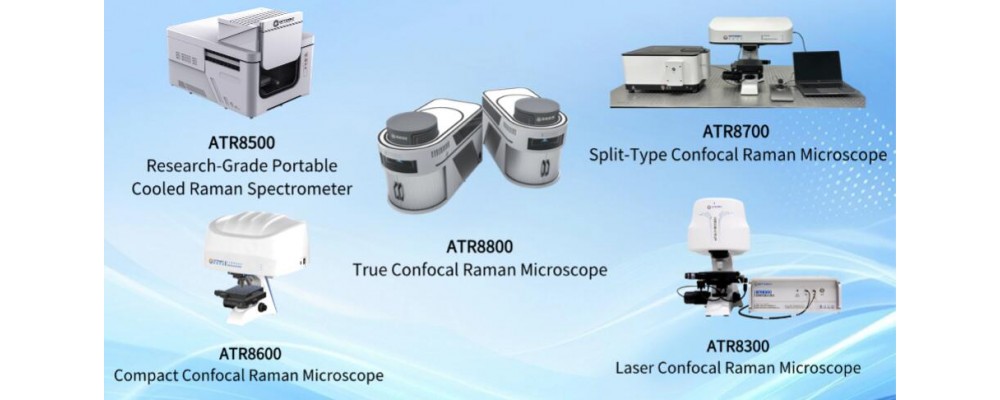
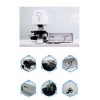
Optosk Confocal Raman Microscope
Principle of Raman Scattering
In 1928, Indian scientist C.V. Raman discovered that when light passes through a transparent medium, scattered light with frequencies different from the incident light appears. This phenomenon is known as Raman scattering.
• Identification: Different chemical bonds yield unique characteristic spectra, allowing substance identification.• Quantification: The intensity of Raman scattered light is proportional to molecular concentration, enabling quantitative measurement. 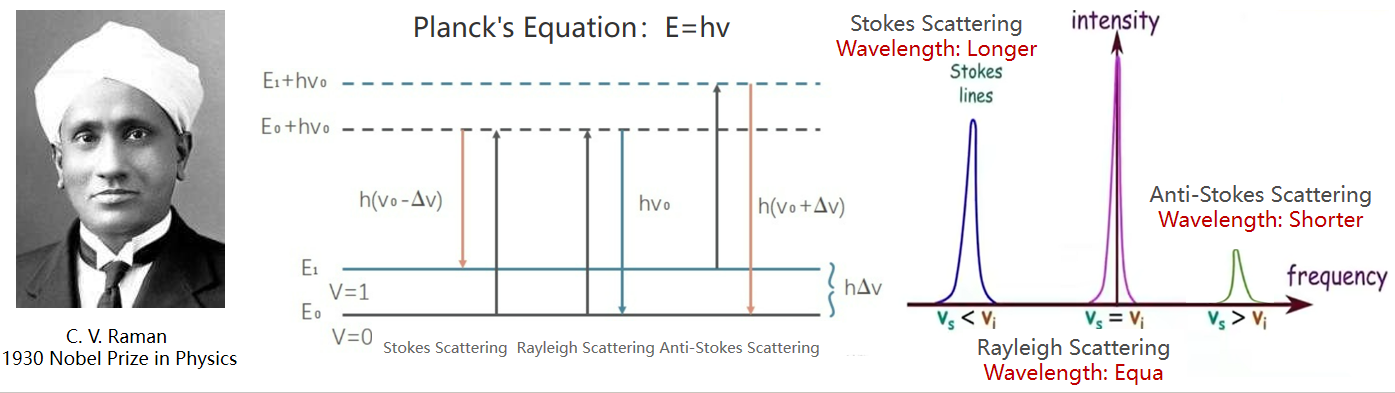
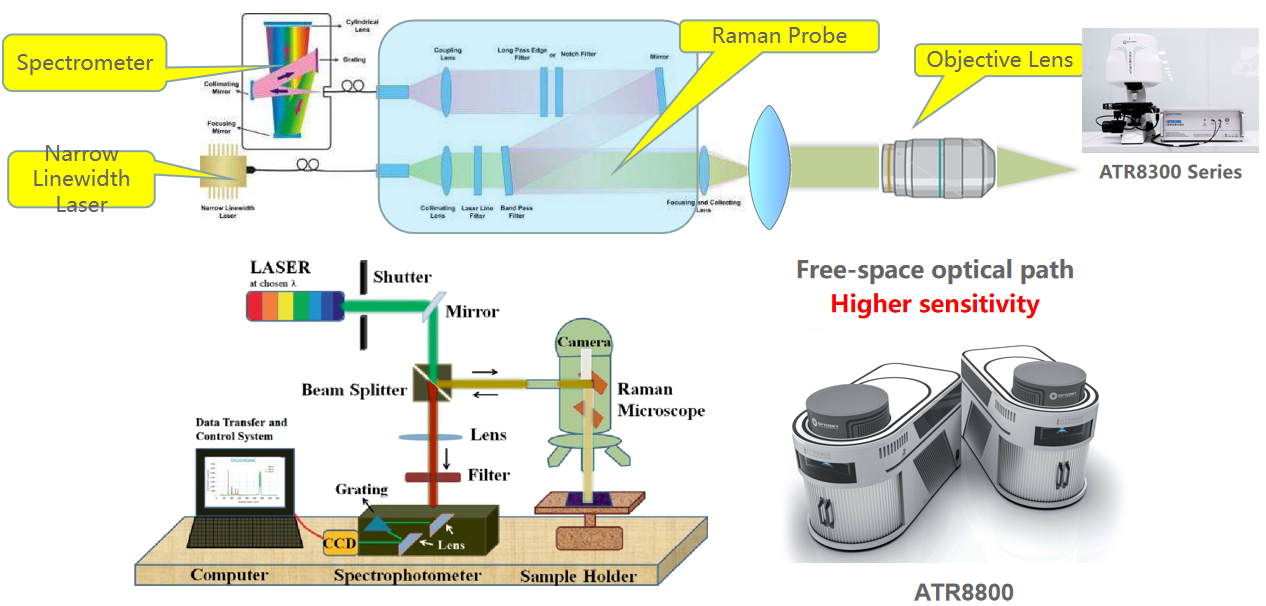
Working Principle of Raman Microscope
Why Choose Optosky Raman Microscopes?
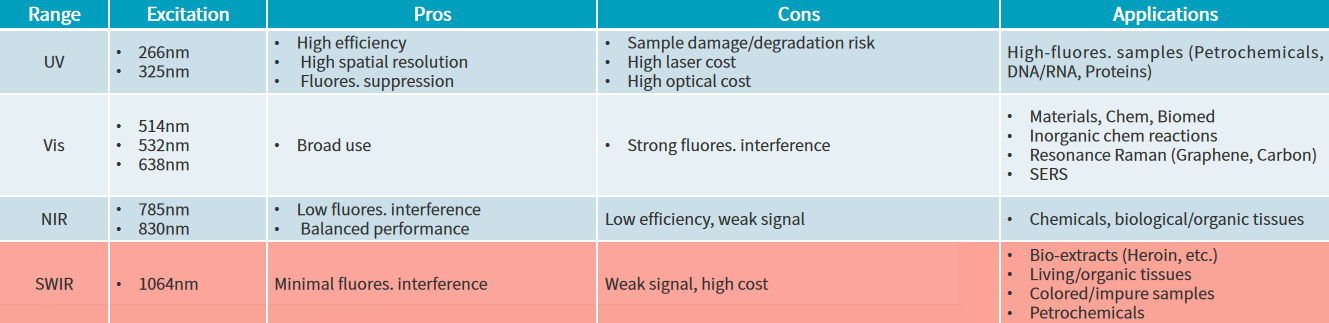
1. Multiple excitation wavelengths available.
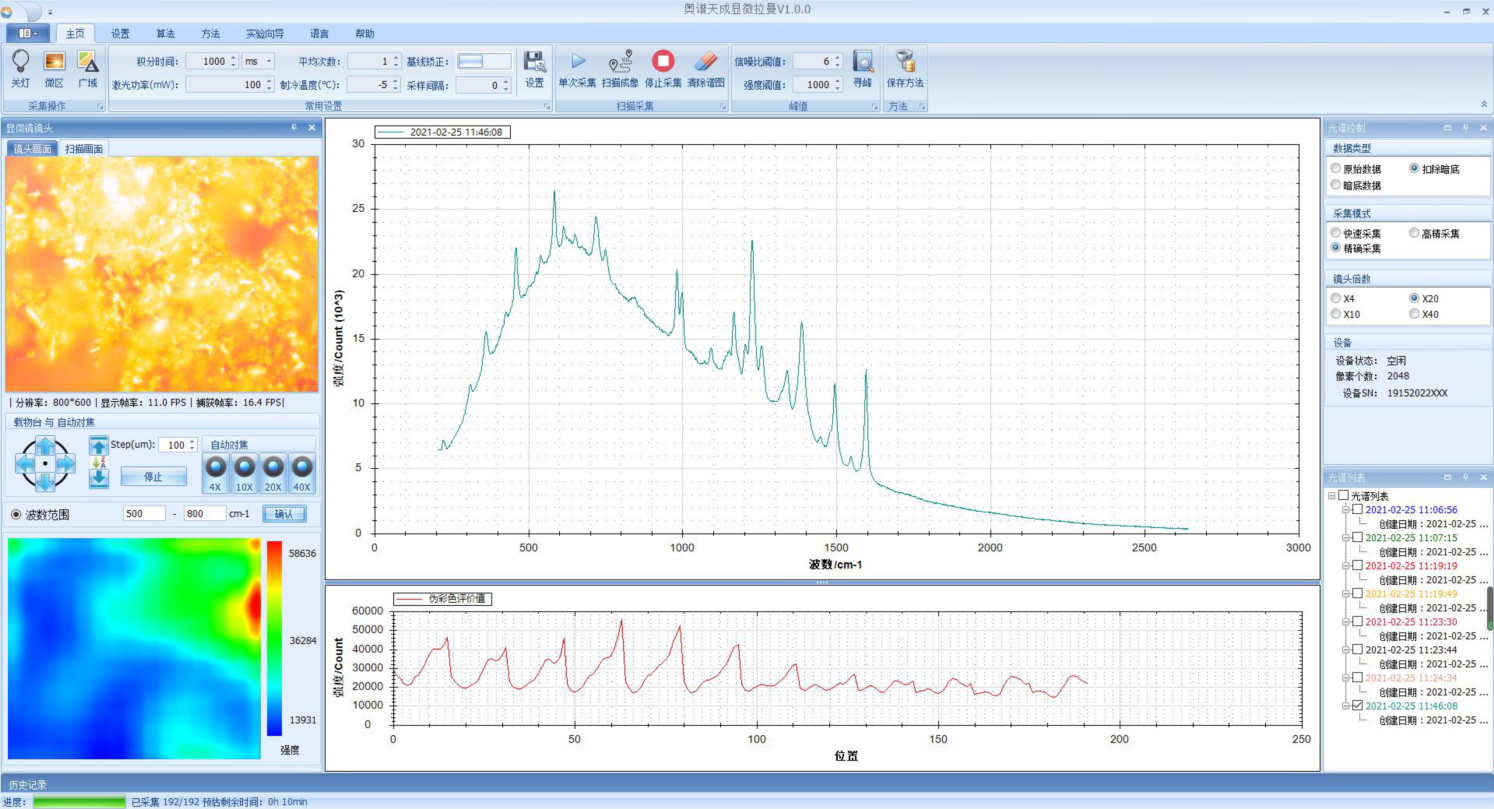
2.User-friendly software
3. Wide range of applications

Gemstone Spectral Analysis
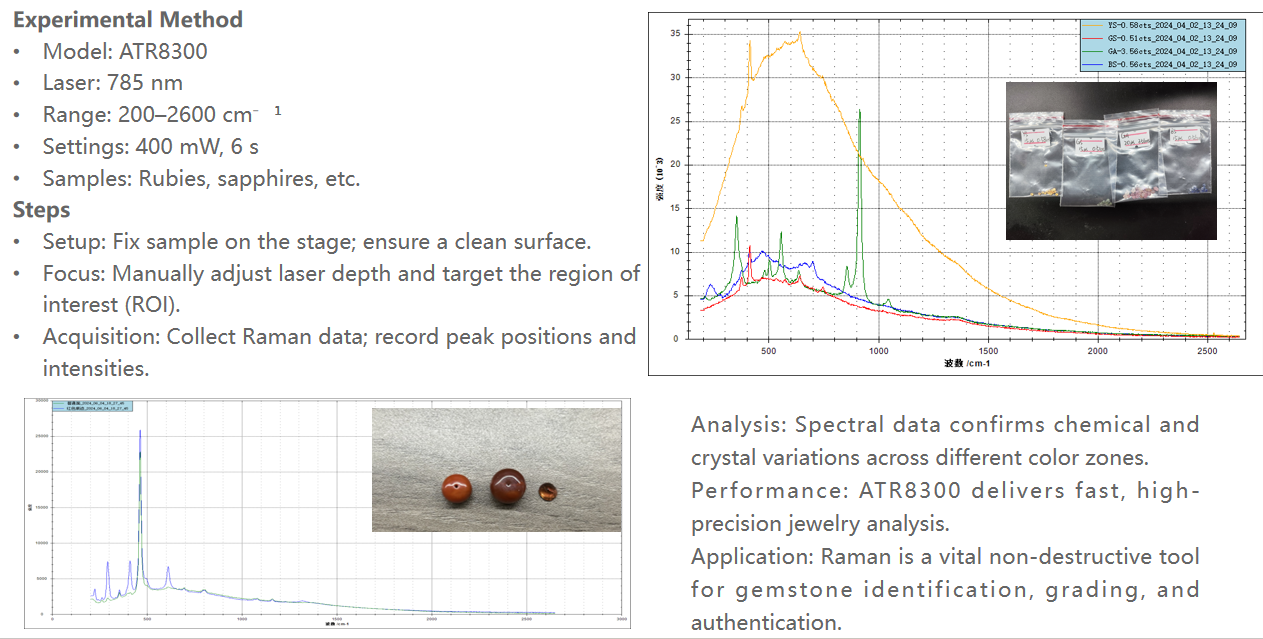
Material identification is crucial for assessing the value and authenticity of gemstones. Raman spectroscopy enables non-destructive, high-precision identification of mineral composition, crystal structure, and trace impurities.
1) Key Advantages
High resolution: Micron-scale focusing, ideal for detecting tiny inclusions and impurities.
Non-destructive testing: Preserves sample integrity, making it suitable for high-value jewelry.
Fingerprint peaks: Unique characteristic peaks provide reliable identification.
2) Research Objectives
Material identification: Identification of diamonds, rubies, sapphires, jade, etc.
Defect analysis: Evaluation of internal inclusions, micro-cracks, and defects.
Origin and treatment: Determining geographic origin and detecting artificial treatments.


申请免费咨询及报价





-100x100.png)


Search
Categories
Popular Posts


Latest Posts







Comments: 0
No comments