

Your shopping cart is empty!

ATR3110 Raman Spectrometer Accepted for Mineral Pigment ID
The Portable Spectrometer ATR3110 accurately detected the relevant pigment samples, successfully completing the acceptance process.
Throughout human history, mineral pigments have adorned the canvas of civilization with vibrant colors. From ancient cave paintings to precious cultural relics, these pigments carry the memories and essence of our cultural heritage. Portable Raman Spectrometer, with its exceptional non-destructive testing capabilities, has become a powerful tool in the field of mineral pigment identification. Whether analyzing ancient mural pigments or valuable gemstone materials, the Handheld Raman Spectrometer for Material Analysis can provide accurate analytical results in minutes. 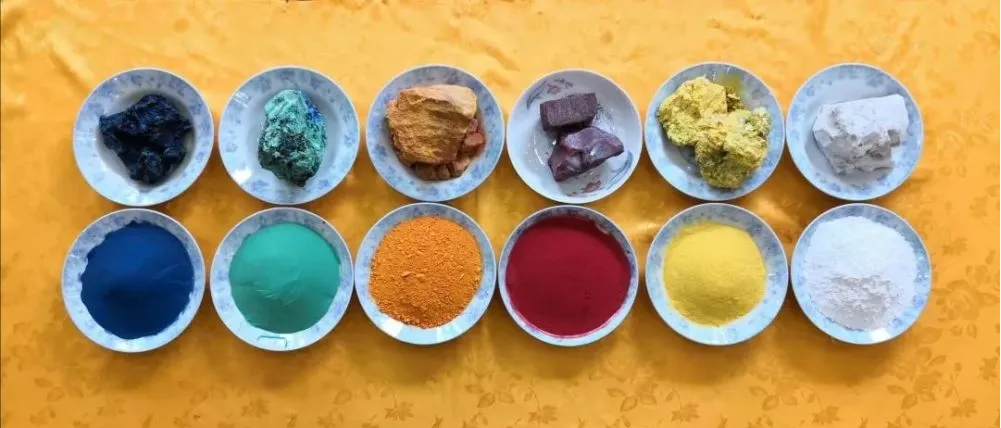
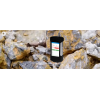
On December 5th, Optosky’s self-developed Benchtop Raman Spectrometer ATR3110, a high-resolution Raman spectroscopy instrument, successfully detected relevant pigment samples at a university in Guangzhou, completing the acceptance process.At the client's site, the Microscope&Raman Spectrometer ATR3110XW accurately detected pigment samples such as cinnabar, ochre, realgar, and white lead. This handheld Raman spectrometer is known for its compact design and high-resolution capabilities, making it ideal for field use in both archaeological analysis, Chemical analysis, material science research and Gemstone analysis. 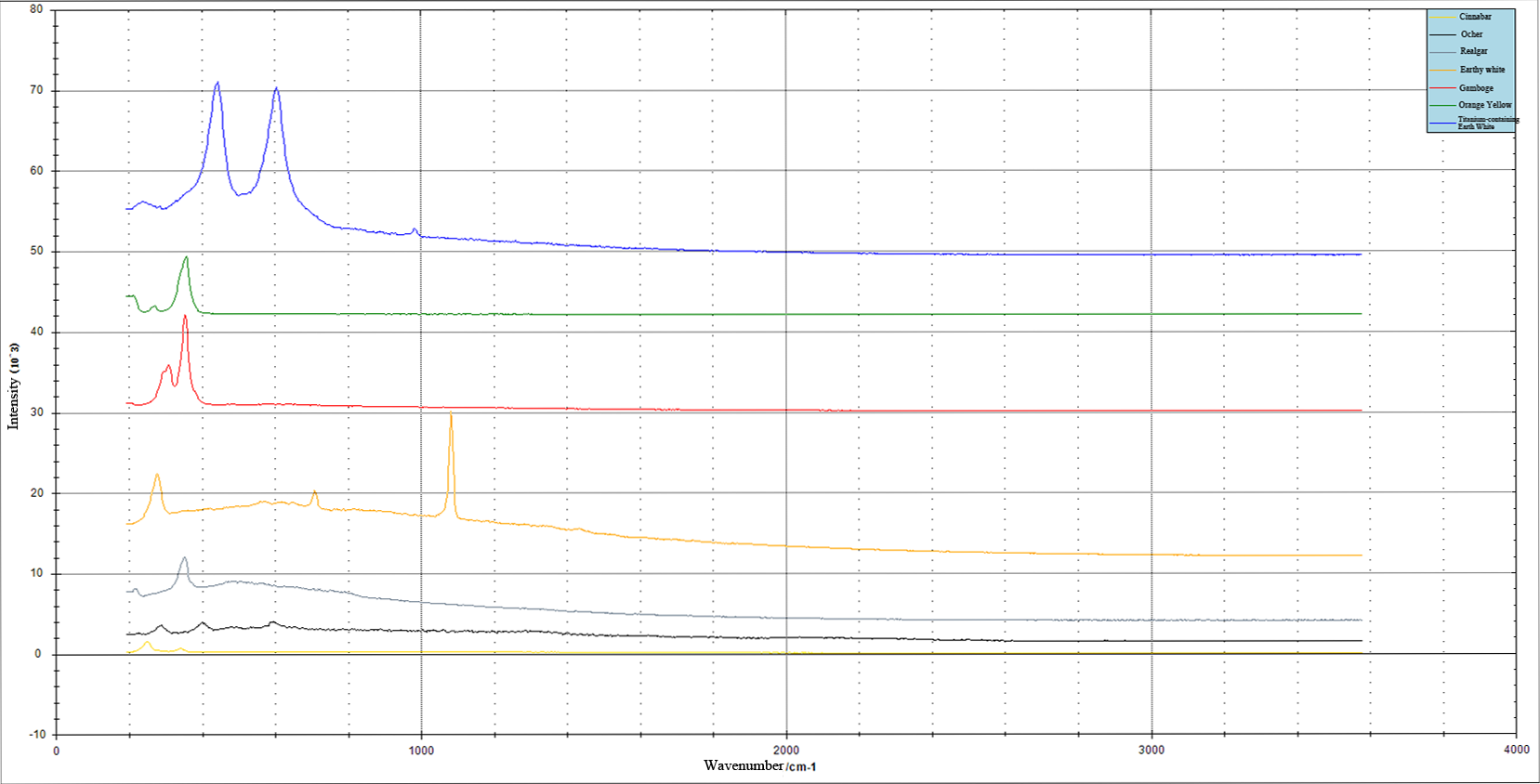 On-Site Measurement Data
In practical applications, Raman spectroscopy provides a more favorable scientific method for artifact identification. For example, in the study of painted pottery figurines excavated from the tombs of Lü Da and Lü Ren in Luoyang, Raman spectrometer identified lapis lazuli pigment on the figurines. Further analysis determined that this lapis lazuli originated from Afghanistan, offering significant archaeological value for studying East-West trade and cultural exchanges after the Northern Wei Dynasty's capital relocation. 
Similarly, in the study of mural fragments from the Mogao Caves in Dunhuang, Raman spectroscopy detected cinnabar in the red pigment areas. This discovery not only confirmed the use of cinnabar in ancient murals but also provided scientific evidence for mural restoration and preservation. The ATR3110 Benchtop Raman Spectrometer offers a non-destructive testing technology that allows researchers to examine valuable cultural relics without causing damage. 
Raman spectroscopy is not only capable of revealing the long history of artifact pigments but also restoring the exquisite craftsmanship of ancient paintings. Through in-depth analysis of pigments found in excavated artifacts, experts can determine the types of pigments, infer their origins and ages, and provide conclusive evidence for historical research. This technology is an essential tool for professionals in materials science, forensic spectroscopy, and art conservation.
Product RecommendationsBenchtop Raman Spectrometer ATR3110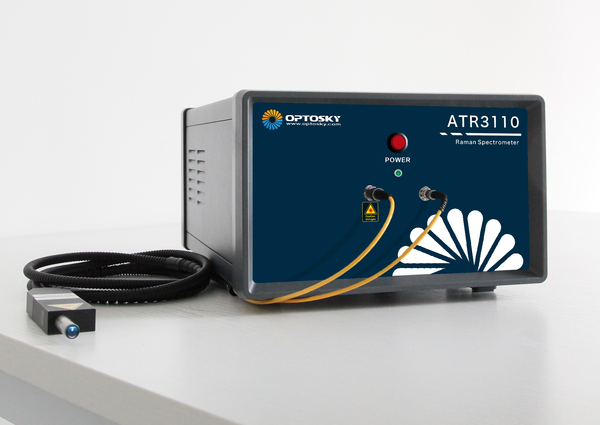
Microscope&Raman Spectromete ATR3110XW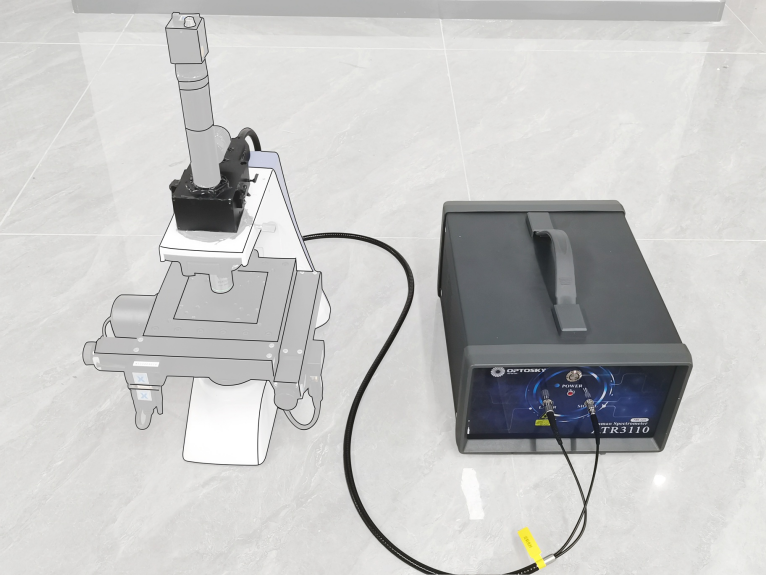



Search
Categories
Popular Posts


Latest Posts







Comments: 0
No comments